


Hygiene and sterility are the watchwords at the Versilia Dental Institute. Caring for each patient's fragility with passion and commitment: this is what each of us expects from a doctor, and even more so from a dentist. So if we're looking for a place where the future is already here, where cutting-edge techniques are a daily routine, and where patient care truly comes first, then we can only turn to the Versilia Dental Institute of Dr. Francesco Ciucci, just steps from the center of Forte dei Marmi. The institute is the most modern and rigorous in Italy in terms of adopting protocols for the sanitization of operating rooms and sterilization of instruments. "For us, it is essential that every clinical action on the patient, from examination to surgery, is performed in compliance with rigorous guidelines, in order to reduce risks," explains Dr. Ciucci, founder and director of the facility. "For this reason, I also consulted with an infectious disease specialist, Dr. Antonella Vincenti. In addition to the dental hygiene room, with a dedicated hygienist, we have operating rooms (equipped with air purifiers), one for examinations and fillings, a surgical suite for major procedures, staffed by two assistants and where we perform strict intraoperative monitoring, and a prosthetics suite, with a laboratory bench that allows us to prepare them on the spot, if necessary."
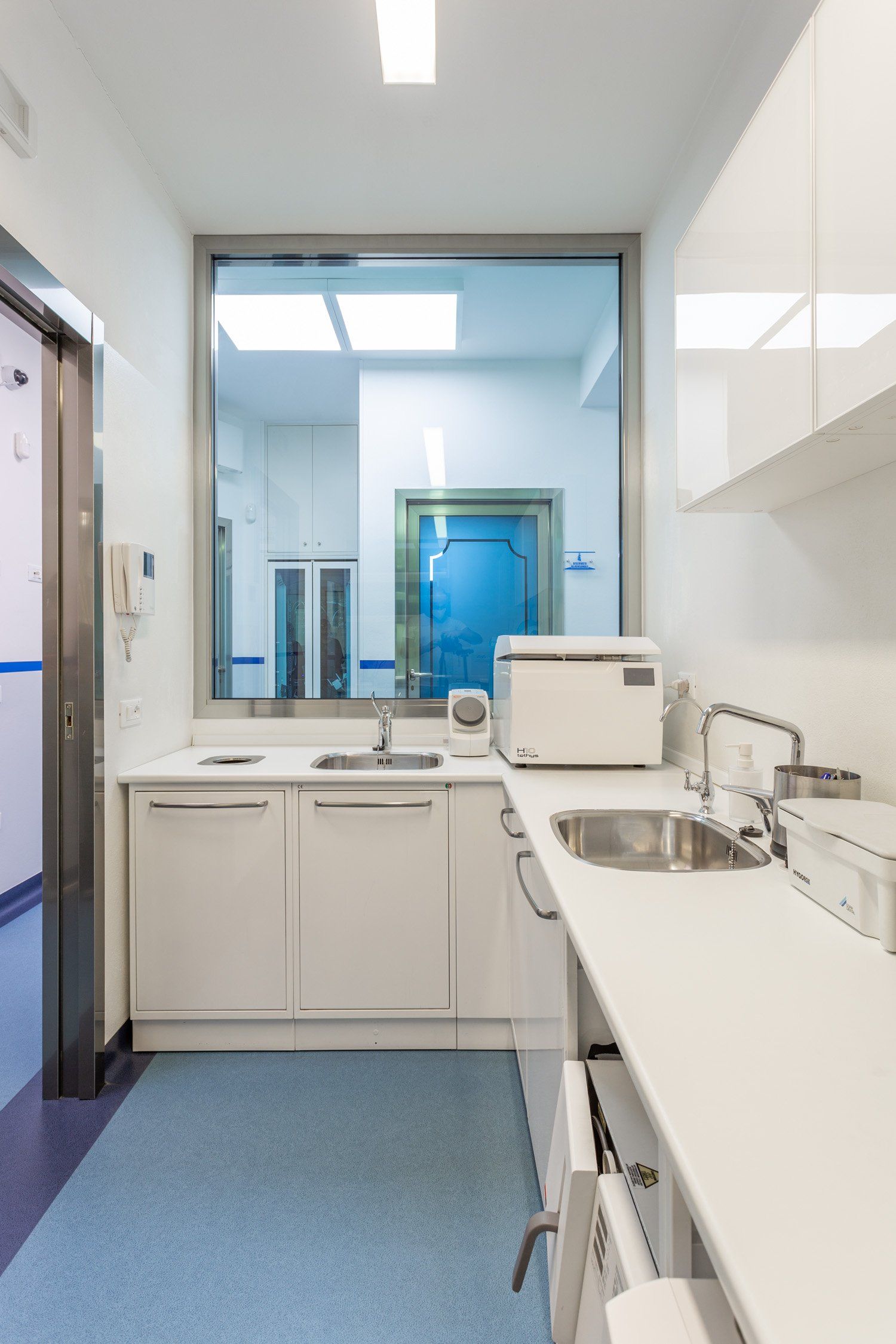
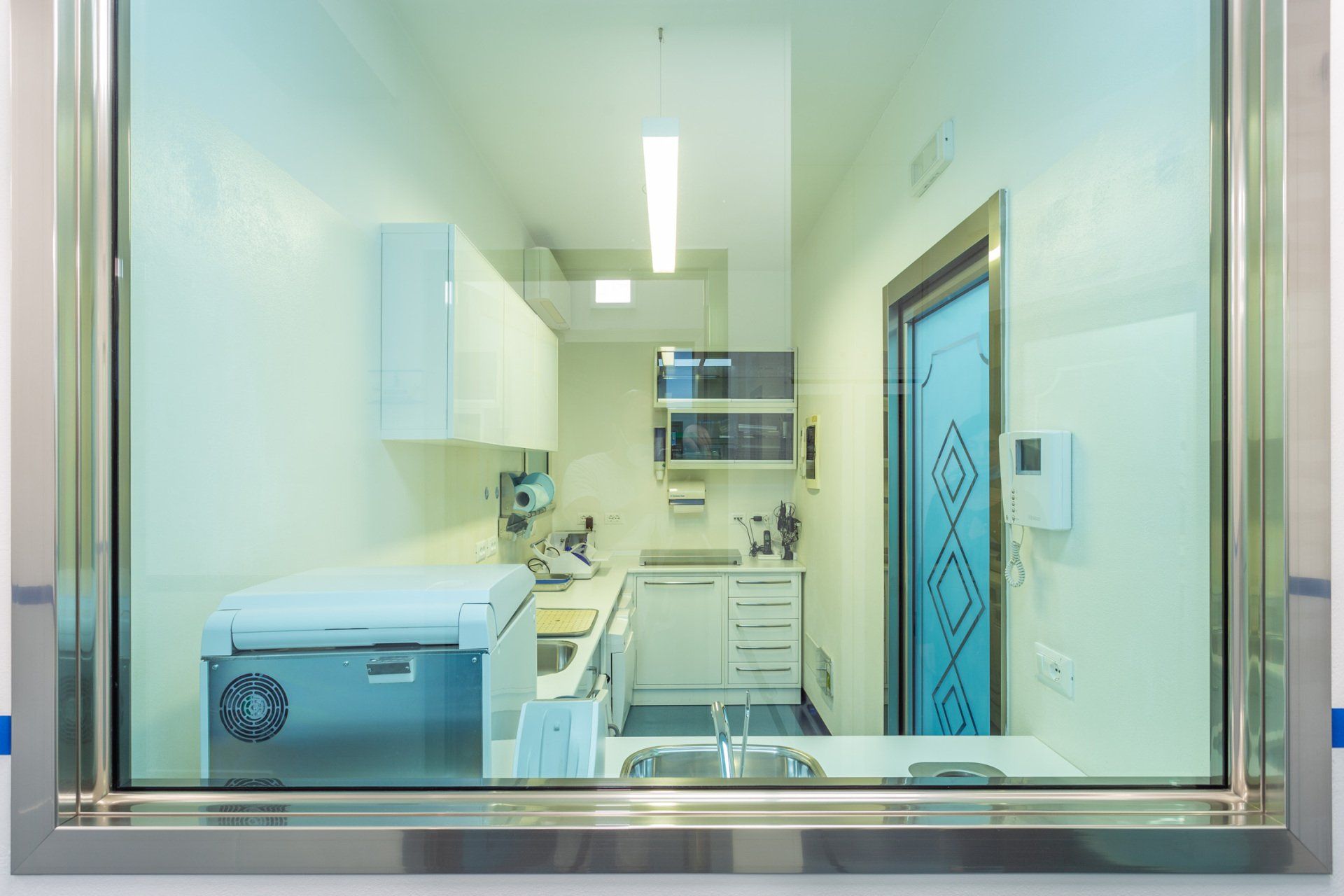
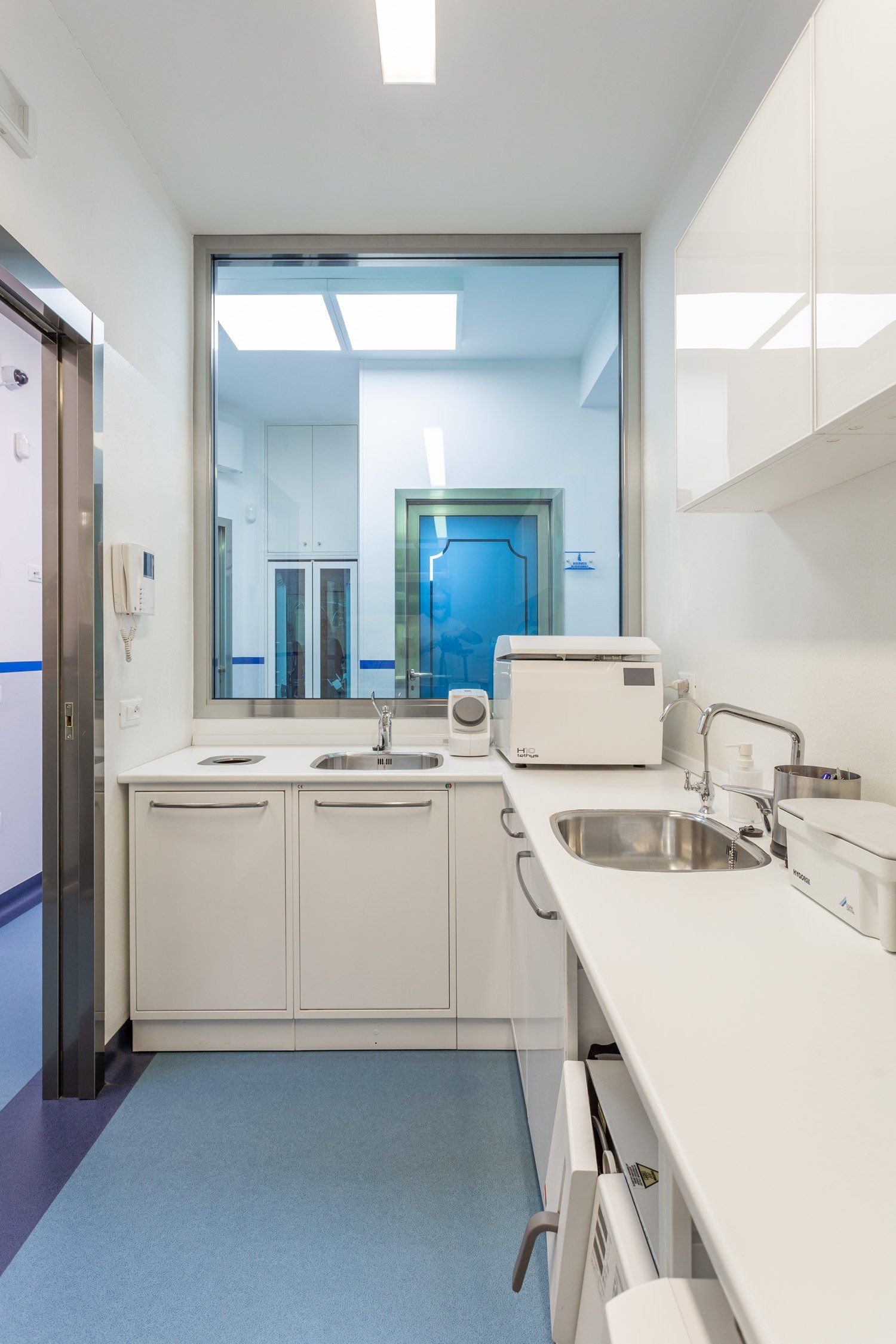
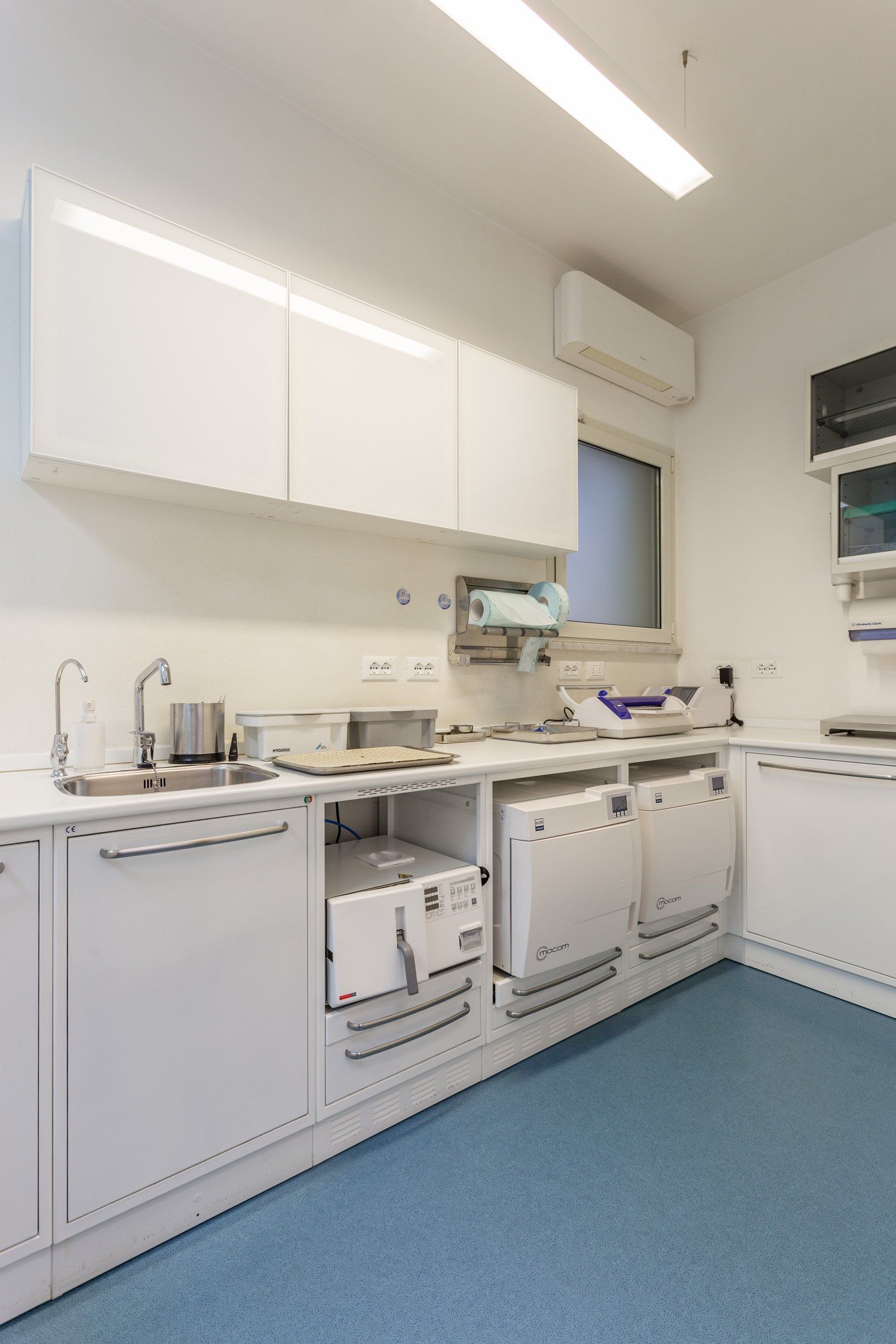
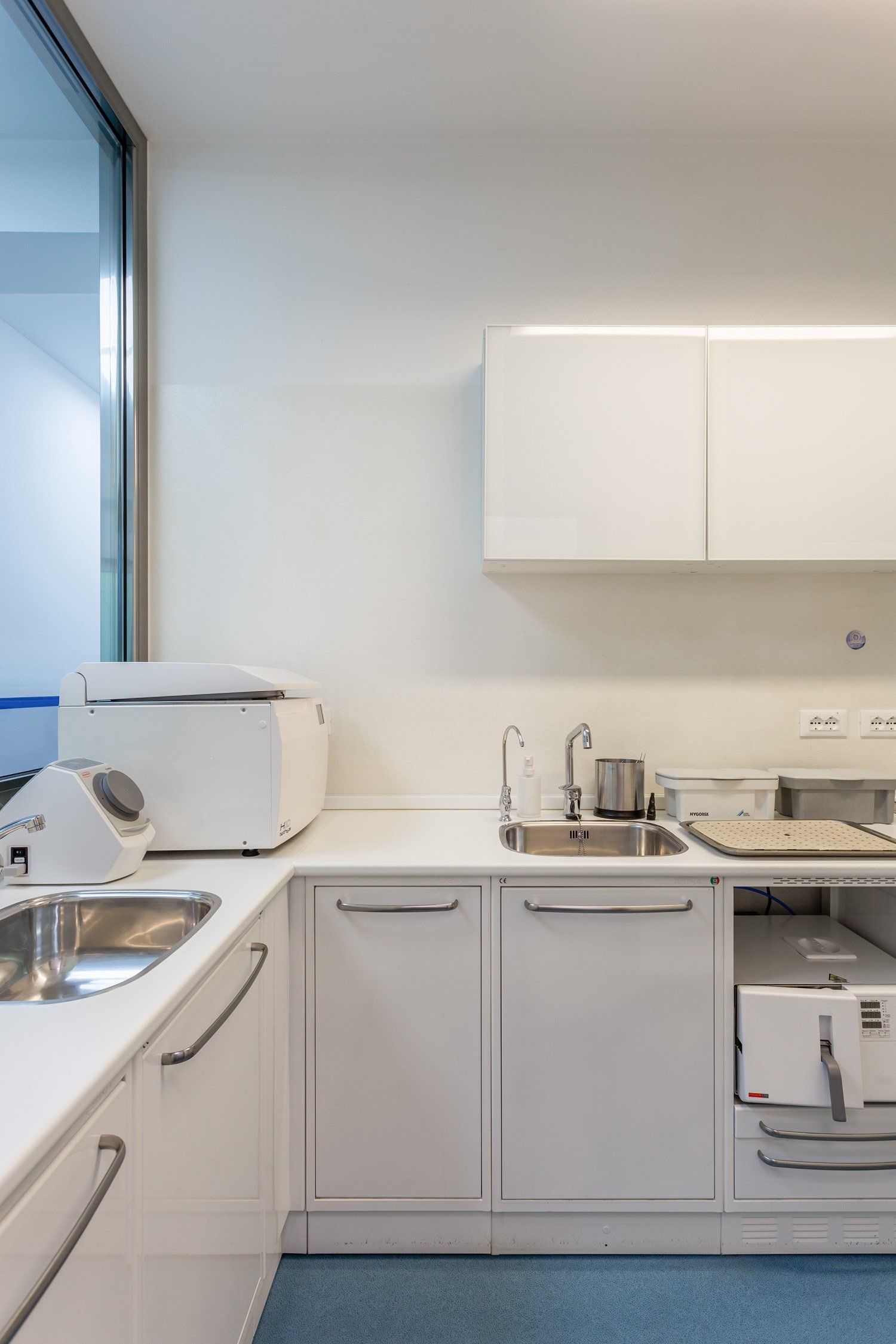
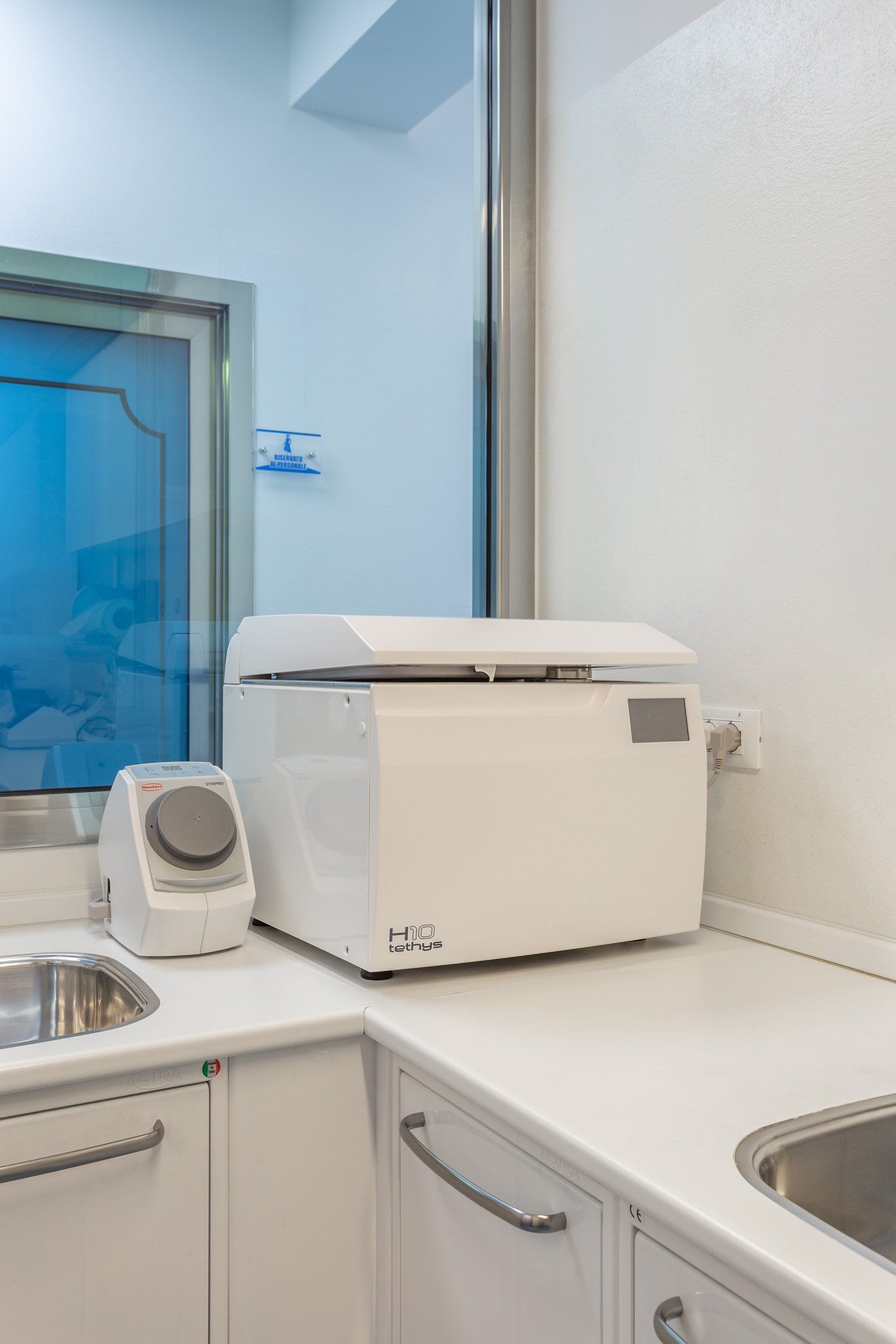
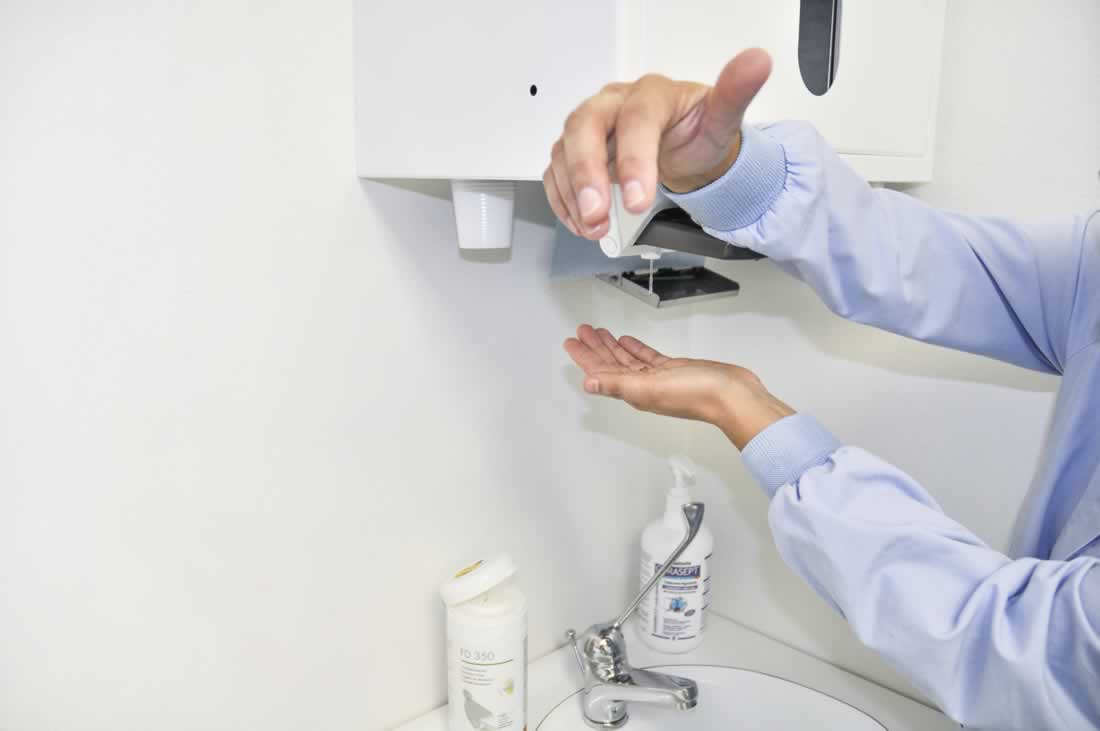
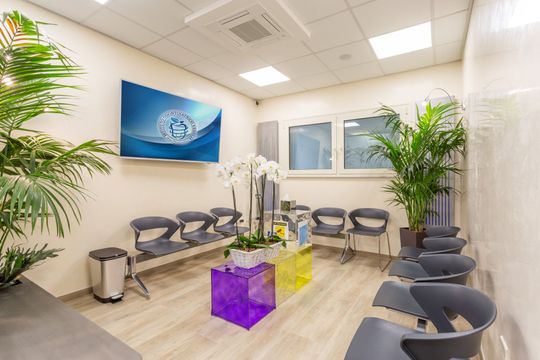
But the pride of the facility is undoubtedly the instrument sterilization room, equipped with three dedicated machines, where the traceable material is sterilely packaged in special kits each time. Also of note is the use of the operating microscope, which, thanks to its high magnification, allows for long-lasting procedures, preventing recurrence, and provides effective prevention with the ability to address even the smallest dental imperfections and address them before they become serious problems (CT). Furthermore, to reduce the introduction of dirt from footwear, each patient is given shoe covers during the short wait in the waiting room, which is also equipped with an air purifier. The obligatory start of every clinical procedure at the Versilia Dental Institute is to wash one's hands not only with soap but also with specific disinfectants. Each patient can verify the care we take in managing sterility and the sterilization of every instrument they will come into contact with. The area dedicated to instrument sterilization, the sterilization room, is visible, so patients can see it as they walk along the corridor. Furthermore, the Institute maintains a sterilization log and a sterilization reference code for the instruments used for each individual treatment, ensuring greater thoroughness.
Make an appointment
Environment preparation protocols
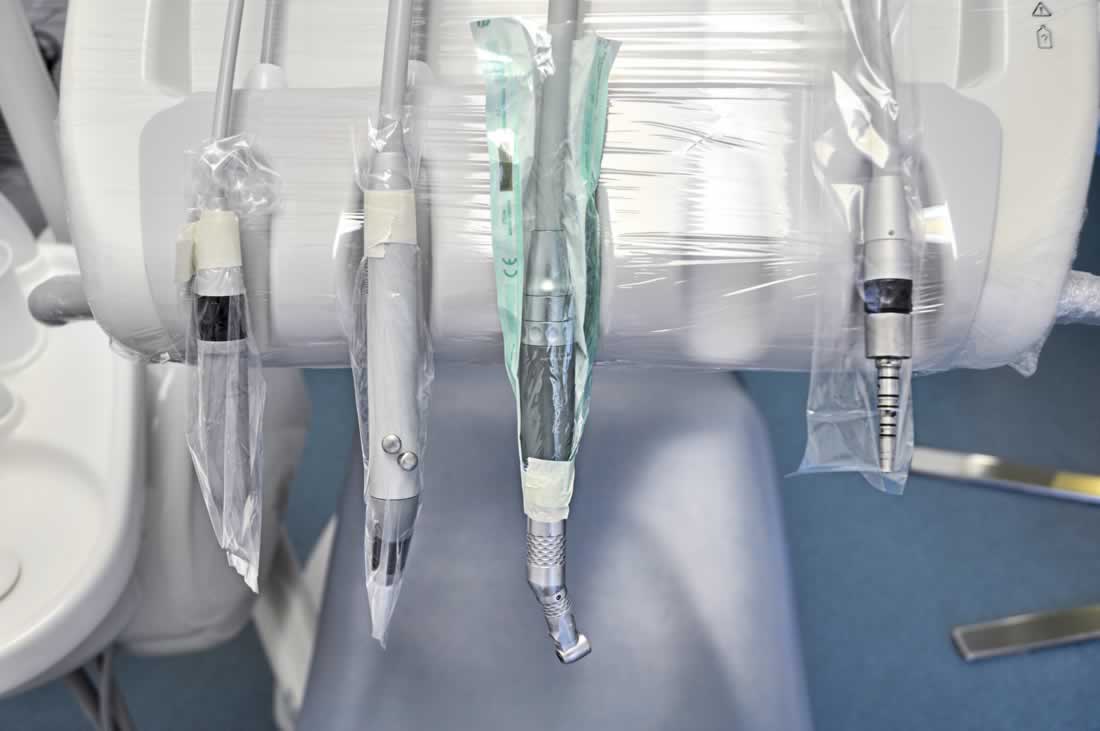
The offices are disinfected with bactericidal, fungicidal, tuberculocidal, and virucidal solutions. Every area that is touched is covered with disposable protective covers, which are removed at the end of each session, the area is disinfected, and new protective covers are replaced.
Even rotating instruments such as drills are used for a single treatment and then sterilized and packaged; in fact, we have numerous drills available, allowing us to always have them sterile-packaged and ready. The drill guards are also replaced after each treatment. All the instruments used are packaged and sterile.
Path of the instruments used and sterilization room
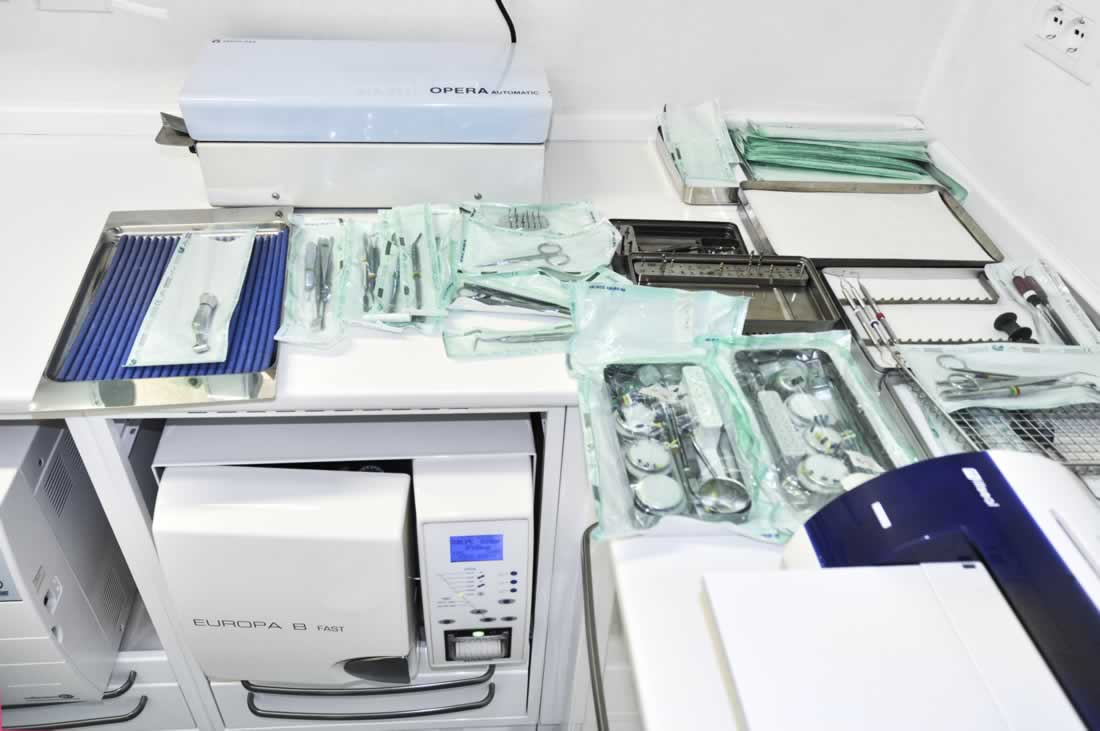
We've already mentioned that at the end of each session, the assistant removes all instruments used or touched during the session, taking them to a dedicated room for disinfection and sterilization. The office will then be sanitized and disinfected as described above. The sterilization room is divided into three areas: an area for infected instruments; a disinfection area; and a sterile area. By maintaining this order, the sterile instruments follow a path so that clean instruments never come into contact with infected ones.
View more
Material, equipment and personnel resources
To ensure the use of sterile instruments, it is first necessary to have a large number of instruments and a sufficient number of assistants to ensure proper sterilization and office management processes. We believe that meticulous disinfection and sterilization management is essential to safeguarding the health of patients, who generally trust healthcare professionals but have no way of seeing how they are performed.
The Clinical Pathway
Scrupulousness and safety
We keep a sterilization log available to each patient, and the sterilization code for each instrument used is included in the patient's medical record for each service.
Air purification
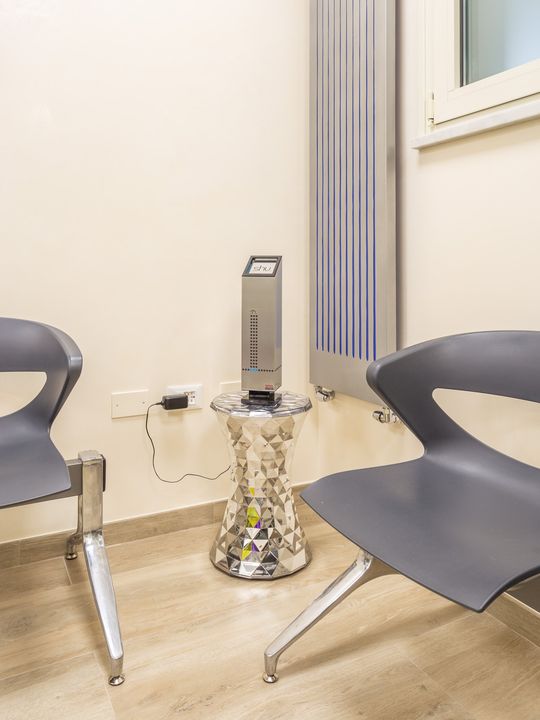
Versilia Dental Institute is equipped with air purifiers that purify and disinfect the air, eliminating all types of bacteria and viruses. This tower air purifier is designed for small spaces, childcare facilities, residential care facilities, outpatient clinics, and other low-occupancy areas. The dental institute offers this technology to its patients to ensure safety and peace of mind.
Purifying the air is also beneficial for allergy sufferers
Respiratory allergies (bronchial asthma and allergic rhinitis) are the most common of all allergic diseases. Recent studies show that they account for at least 75% of all allergic-caused clinical manifestations, and their incidence is rapidly increasing. In respiratory allergies caused by dust mites or other environmental allergens, eliminating the allergic individual's exposure to the causative allergens is not possible. In these cases, improving environmental hygiene is recommended to substantially reduce symptoms.

Latex allergy title

The Versilia Dental Institute has arranged for the use of absolutely latex-free devices for those patients who have a latex allergy.
The specific devices provided to patients with this allergy are: latex-free gloves during the preliminary visit and during treatments; the latex-free rubber dam, a device used in the majority of dental treatments to allow us to work safely and in an aseptic environment, since saliva and the communication with the oral cavity are full of bacterial strains.