
WORKING TOGETHER at home and in the clinic
We work with you for your child's oral health
Oral hygiene for newborns: practical advice
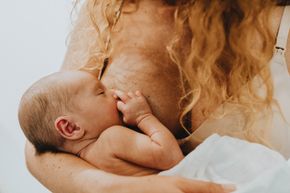
Exclusive breastfeeding: Infants who are exclusively breastfed do not need to brush their gums. Breast milk naturally strengthens the immune system, which promotes the oral microbiota.
In the case of artificial feeding, you can choose to use gauze.
When to start brushing your teeth?
As soon as the first baby tooth appears, it's the best time to start brushing your little one's teeth.
Oral hygiene for infants: when should you brush your teeth?
From the first tooth, twice a day
Nb: in case of artificial breastfeeding at night it is recommended to brush your teeth in the morning before breakfast and a total of 3 times
How should they be brushed? Fluoridated toothpaste (1000 ppm fluoride), toothbrush, and dental floss.
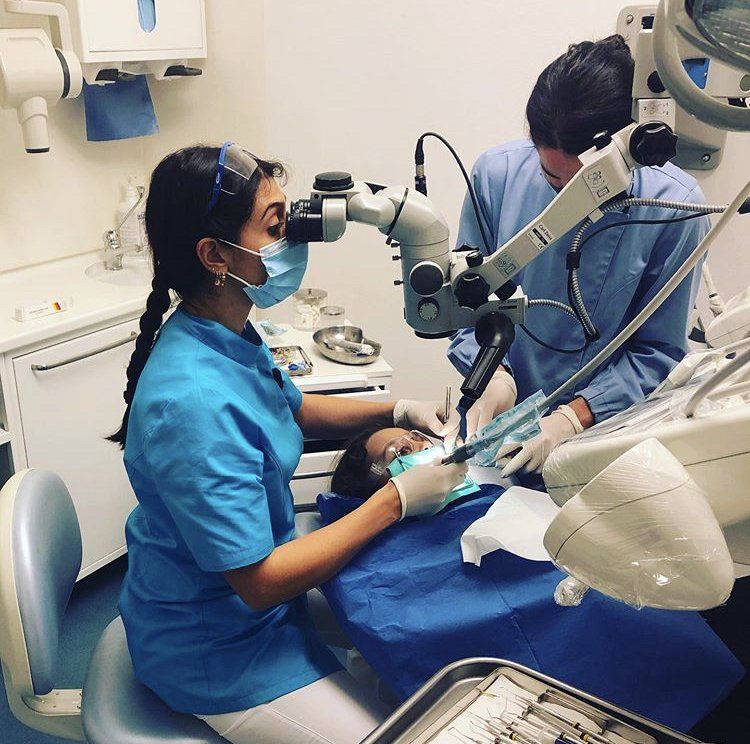
When should you visit the dentist for the first time? As soon as the first baby tooth appears, so your dentist can provide you with all the additional information you need for prevention.
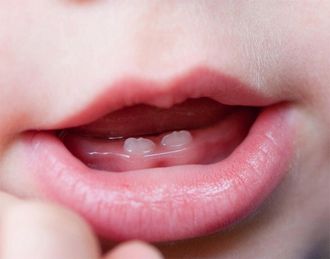
A HEALTHY MOUTH STARTS IN THE FIRST MONTHS OF LIFE
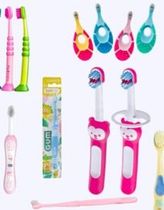
Recommended toothbrushes: small, round head, soft nylon bristles, long handle, safety ring, colored bristles, suction cup for drying
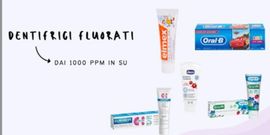
Recommended toothpastes: starting from 1000 ppm fluoride
Recommended amount of toothpaste: 6 months – 3 years: amount the size of a grain of rice; 3 to 6 years: amount the size of a pea.
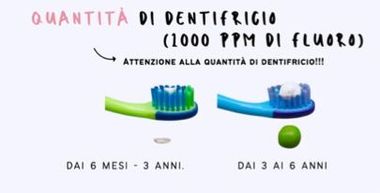
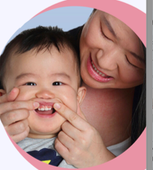
How to brush your teeth? The lip lift technique, which involves lifting your lip and moving your cheek, prevents plaque from getting stuck between your teeth.
Immobilization technique, and what if he cries? Surely, the parent must be aware that we're not traumatizing the child...
Brushing your teeth is non-negotiable just like changing your diaper.
A CHILD'S ORAL HYGIENE IS THE PARENT'S RESPONSIBLE FOR IT
When should you start flossing? Flossing is essential right from the start, especially if there are no gaps between your teeth.
How often should you change your toothbrush? It's recommended every 2-3 months, when the bristles begin to flake, after a viral infection, and after a brushing session.
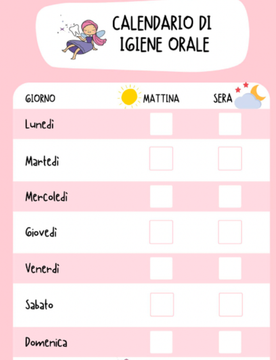
What can help you brush your child's teeth? Books and internet apps, or the Oral Hygiene Calendar.


Fluoride prophylaxis
Fluoride is a naturally occurring substance that, according to World Health Organization guidelines, when used correctly and regularly in early life (as early as 6 months), helps tooth enamel become more resistant to tooth decay. Fluoride is found in drinking water, mineral water, beverages, foods, toothpastes, gels, and specific mouthwashes.
Diet
Can diet help keep teeth healthy?
Of course! It plays a crucial role in preventing tooth decay and therefore in a child's oral health.
Limiting your intake of sweets and candy, sugary drinks, and fruit juices, and being careful about your intake of certain fruits, which are particularly high in sugar, is very helpful.
Eliminating all these foods is not correct, but you can teach your children to brush their teeth after eating, even at snack time.
It should also be remembered that the cariogenic effect is linked to the level of acidity of foods: all carbonated drinks or sports supplements, tea and all freeze-dried preparations create an acidic environment that weakens tooth enamel and facilitates the proliferation of bacteria that are therefore extremely harmful to your children's teeth (and yours).
Further small precautions and healthy food choices are:
- Give children fruits and vegetables containing a high water content, even as a snack: pears, melons, celery, and cucumbers are best.
- Cheese, though not in excess, is a good ally: it helps stimulate saliva flow. Saliva helps wash away food debris from the teeth. It also contains calcium and reduces acidity in the mouth.
- Avoid sticky foods: raisins, dried figs, granola bars, peanut butter cookies, caramel, honey, molasses, syrup, etc., make the saliva's initial cleaning of the teeth more difficult. If your child consumes these types of products, he or she should brush his or her teeth immediately after eating.
- It's best to eat sweets immediately after a meal, as a dessert: saliva production increases after eating, making it easier to eliminate residue.
- Always choose water over other beverages: juices, sodas, and milk contain sugar. Water won't damage your teeth and also helps wash away some food debris.
- Include calcium-rich foods to strengthen your teeth: good sources are milk, broccoli, and yogurt.
Bad habits
The first years of a child's life are crucial for learning proper hygiene and cleaning habits that will be useful throughout their lives.
Parents therefore have the responsibility to teach their children the importance of care and prevention, remembering to take their child for their first visit around 4-5 years of age. The dentist can support the family in teaching their young patient proper daily brushing, as well as monitoring their oral health and ensuring their teeth are properly positioned.
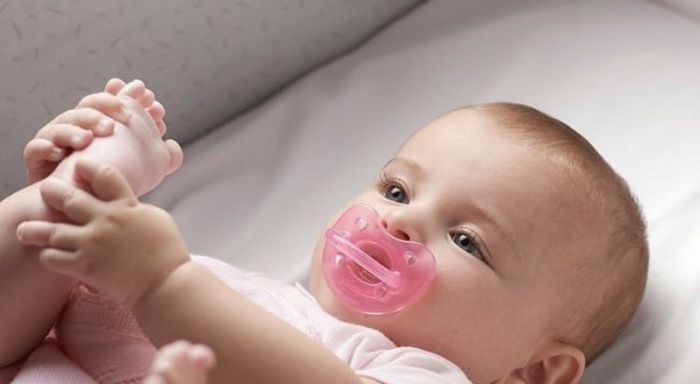
- NEVER give a baby a pacifier dipped in honey or sugar, even when teeth have not yet erupted.
- NEVER put your baby to sleep with a bottle of chamomile tea or other sugary drinks.
These habits cause the so-called “bottle-feeding syndrome”: the child’s front teeth quickly decay and become decayed due to the sugar administered in this way.
Wean your baby off the pacifier around 12 months of age and teach him to drink from a cup rather than a bottle shortly thereafter: this can help reduce or completely avoid misalignment and malocclusion problems caused by bad habits.
Also try to correct the habit of thumb sucking, paying particular attention during sleep.

Pedodontics
Cavity prevention